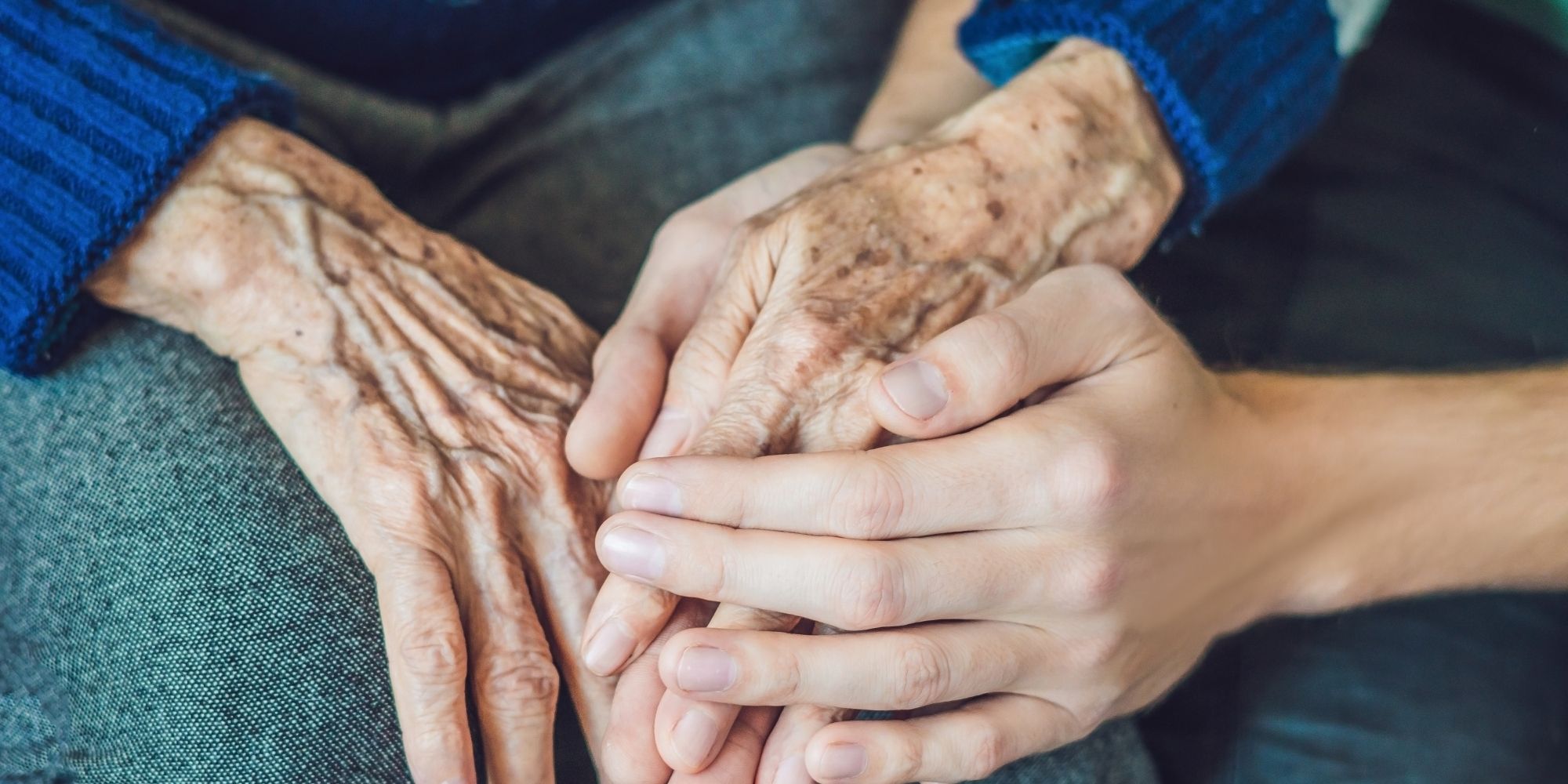
Dementia develops over many years, but research shows that up to 45% of cases may be prevented or delayed by addressing modifiable risk factors.
While there’s no guaranteed way to prevent dementia, everyday habits can meaningfully support lifelong brain health. Simple, sustainable changes — staying active, eating a nutrient‑rich diet, treating hearing or vision loss, improving sleep, and staying socially connected — all help reduce dementia risk and support healthy aging. Even small steps add up, strengthening memory, boosting mood, and protecting cognitive function over time.

Daily Habits & Body Health
Stay Physically Active
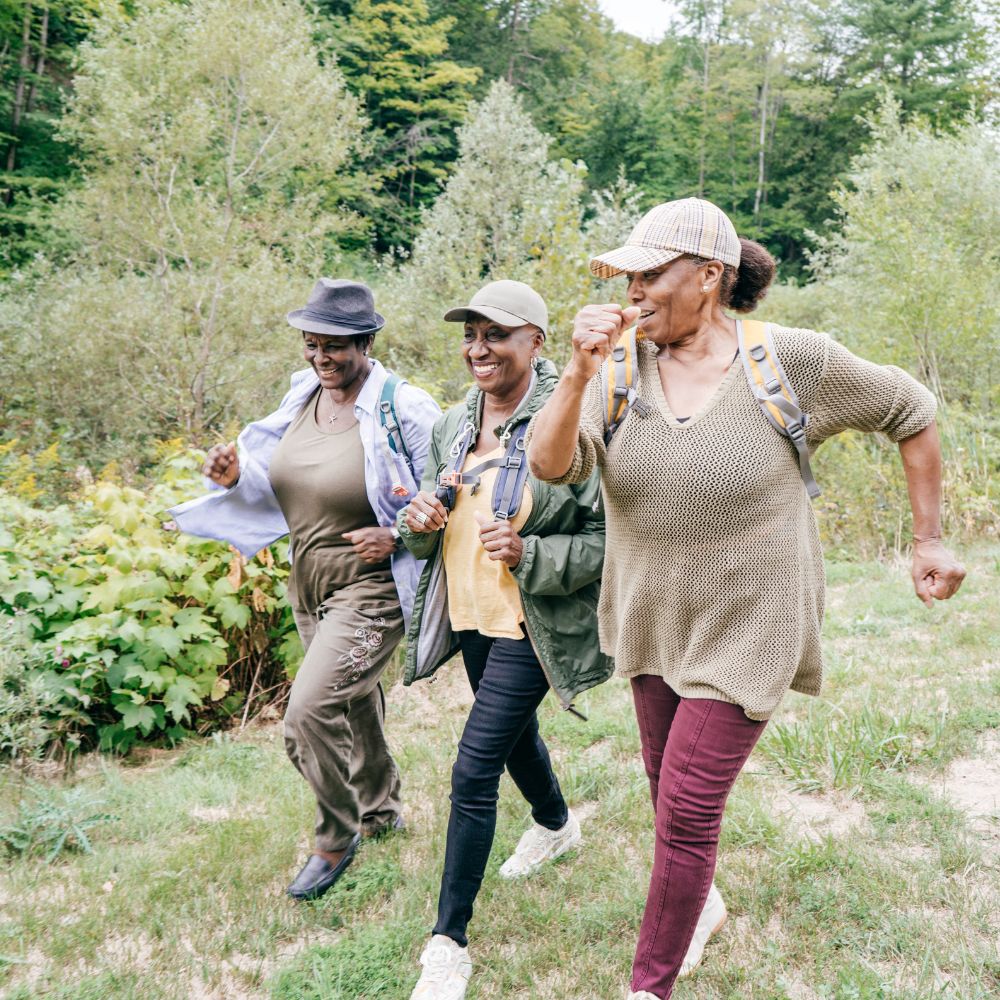
Aim for at least 150 minutes of moderate movement per week. Walking, swimming, gardening, and dancing all count.
Prioritize Sleep
During sleep, the brain clears waste proteins linked to Alzheimer’s. Aim for 7–9 hours.
Eat a Brain-Friendly Diet
Follow diets rich in vegetables, berries, whole grains, fish, and healthy fats, like the Mediterranean or MIND diets. Limit processed foods, red meat, and added sugars.
Limit Alcohol & Avoid Tobacco
Drinking more than recommended levels and smoking both increase dementia risk. It’s never too late to cut back or quit.
Manage Your Weight
Maintaining a healthy weight in midlife, especially around age 40–65, helps protect the brain. Even modest weight loss can reduce risk.
Manage Chronic Condition
Manage blood pressure, cholesterol, and blood sugar. Work with your doctor on targets that are right for you.
Mind & Social Connections
Stay Connected
Regular meaningful contact with friends, family, faith communities, or support groups protects cognitive health. Loneliness and isolation are risk factors.
Protect Your Senses
Untreated hearing loss and vision impairment are significant dementia risk factors. Get regular screenings and use corrective aids when needed.
Challenge Your Mind
Learn something new, play strategy games, read a book, and do puzzles. New experiences strengthen neural pathways.
Prevent Head Injuries
Traumatic brain injury raises long-term dementia risk. Wear helmets, use seatbelts, and remove fall hazards at home.



*This information is for educational purposes only and is not a substitute for professional medical advice, diagnosis, or treatment. Dementia cannot be fully prevented, and individual risk varies based on many factors. Always consult a qualified healthcare provider with questions about your health, concerns about memory or cognitive changes, or before making significant lifestyle or medical decisions.
Further reading:
Dementia prevention, intervention, and care: 2024 report of the Lancet standing Commission
New WHO guidelines: up to 45% of dementia risk could be prevented or delayed